
-Service
services included
Marketing Strategy Development
Turn business goals into a focused marketing direction.
Target Audience Definition
Know exactly who your marketing needs to reach.
Customer Journey Mapping
Understand every step from awareness to purchase.
Brand Positioning Strategy
Build a position that makes your brand stand out.
Marketing Channel Planning
Choose the right channels to reach the right audience.
Campaign & Growth Planning
Turn strategic ideas into actionable growth plans.
-Content
The Power of Positioning: Why Being Different Isn't Enough
Being different does not automatically make a brand valuable. In crowded markets, businesses need to communicate why they are different, who they are different for, and why that difference matters. This is where positioning becomes important.A strong positioning strategy helps a brand occupy a clear and meaningful space in the customer’s mind. It defines the target audience, identifies their needs, understands competitors, and highlights the unique value a business can offer.Good positioning is not simply about creating a catchy slogan or claiming to be better than competitors. It is about creating a clear connection between the customer’s problem and the brand’s solution.When positioning is clear, it becomes easier to make decisions about branding, messaging, pricing, content, and marketing channels. More importantly, customers can quickly understand what the brand stands for and why they should choose it.
The strongest brands don’t try to appeal to everyone—they become the right choice for someone.

-FAQ
frequently asked question
What is a marketing strategy?
A marketing strategy is a clear plan that defines how a business will reach its target audience, communicate its value, compete in the market, and achieve its business goals.
Why does my business need a marketing strategy?
A strategy helps you move beyond random marketing activities. It gives your business a clear direction, helps prioritize resources, and ensures your marketing efforts are connected to real business objectives.
What does your marketing strategy service include?
It can include market and customer research, target audience definition, positioning, customer journey analysis, marketing channel planning, messaging, and an actionable marketing roadmap.
Do you work with small businesses and startups?
Yes. The strategy can be tailored to the size, stage, goals, and resources of your business, whether you’re launching an idea, building a new brand, or looking for your next stage of growth.
Do you only create strategies, or do you also implement them?
The primary focus is strategy and direction. The level of support can be adapted depending on your needs, including guidance for implementation and working alongside your existing team.
How long does it take to develop a marketing strategy?
The timeline depends on the scope of the project, the complexity of the market, and the amount of research required. A focused strategy may take less time than a comprehensive strategic plan.
How do you build a marketing strategy?
I start by understanding your business, customers, market, competitors, and goals. These insights are then used to identify opportunities and develop a practical strategy with clear priorities and actions.
How do I know whether the strategy is working?
A good strategy should have clear objectives and measurable indicators. Depending on the business, this can include leads, conversions, customer acquisition, engagement, retention, revenue, or other relevant performance metrics.
-Content
From Customer Insights to Marketing Strategy
A successful marketing strategy begins with understanding the customer. Without customer insight, businesses often make decisions based on assumptions about what people want, need, or value. Customer insights help reveal the motivations behind buying decisions. By studying customer behaviour, preferences, challenges, feedback, and expectations, businesses can develop a clearer understanding of their audience. These insights can then shape the entire marketing strategy. They can influence target audience selection, positioning, messaging, content, pricing, customer experience, and communication channels. For example, knowing that customers value convenience more than price can completely change how a business presents its product. Instead of competing primarily on discounts, the brand can build its message around saving time and reducing effort. A strategy built on real customer understanding is more relevant and focused. It allows businesses to spend their resources on ideas that have a stronger connection with the people they want to reach.
Better customer understanding creates better marketing decisions.
Let’s Build What’s Next
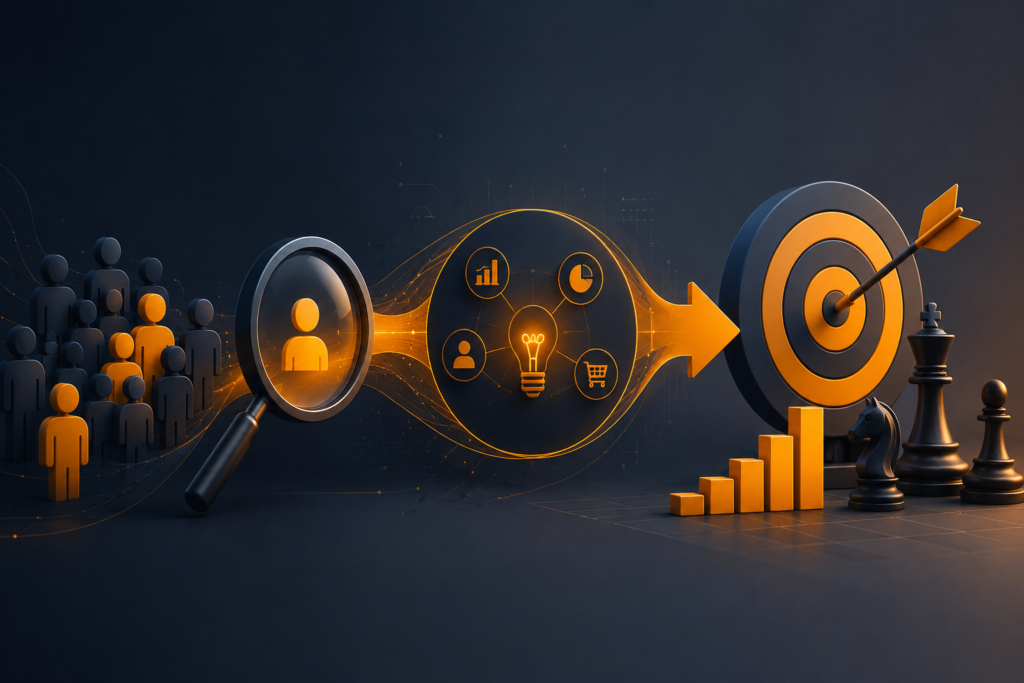
Good marketing starts with the right questions, the right insights, and a clear sense of direction.
If you’re facing a marketing challenge, exploring a new opportunity, or simply looking for a smarter way to move your business forward, let’s talk. Together, we can turn ideas and challenges into a focused strategy built around your goals.
Have something in mind? Let’s start a conversation.